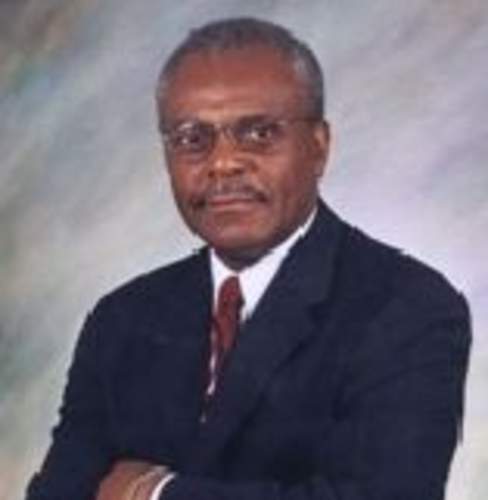
 by William E. Boswell
 The time is quickly approaching when we must make that transition from a college career, filled with a lifetime of memories, to a new career in the workplace. Yes, it is expected that we will have concerns related to changing to a new environment, leaving friends, job readiness, performance expectations, and other apprehensions surrounding our career decision. These valid concerns can be managed effectively to minimize the impact and ensure that the transitioning process is not intimidating. Just as we focused our efforts and achieved an enjoyable, successful, and memorable college career, we can focus on certain key areas that will minimize the anxiety. This focus will enable us to approach the transition prepared and with confidence, and ensure the process is not only successful but also meaningful and rewarding. Colin Powell stated “There are no secrets to success. It is the result of preparation, hard work, and learning from failures.
Four important areas to remember as we make the transition to a new career are attitude, adaptability, professionalism, and personal management.
Attitude: Since performance often mirrors attitude, make a personal commitment to maintain a positive attitude during the transitioning and throughout your career. Attitude affects our disposition and our performance, and it is instrumental in determining how we project ourselves to others. Henry Ford stated, “Think you can, think you can’t; either way you will be right.” For this reason, it is imperative that we maintain a positive attitude. Our attitude must be internally built, centrally fed, and guarded against external negative forces. Marcus Aurelius stated, “A man’s life is what his thoughts make it.” Since our transition and career will be determined by what we make it and not what others say or do, always maintain a positive attitude and make the transition a rewarding experience.
Adaptability: The degree to which we adapt to our new environment and aggressively pursue our goals is crucial in determining our level of success. Past accomplishments, regardless of how significant, have only opened the door to the new career. Our selection was based on the expected contribution to the organization and not past accomplishments. Because organizations thrive on teamwork, relationships are important and success will be dependent upon our interpersonal relations and our adaptation to the organizational culture. During transition and throughout our careers, there will be a continuous evaluation of our skills and ability to adapt to an ever-changing environment. Performance excellence must be an ongoing objective.
Professionalism: Our skills, diplomacy, integrity, and image have a role in our career professionalism. It is not always the smartest person that is successful, but the one who has mastered certain professional skills. Recognize that our prior training has adequately prepared us for the position and our skills are just as developed as our peers. Most employers understand, expect, and accept that we are not seasoned employees; instead, we are capable, willing, and determined career-minded individuals eager to contribute to the organization.
However, if our integrity, image, or diplomacy is tarnished during the transition, it will be very difficult to overcome. Remember we are not only representing ourselves, we are also ambassadors for the organization.
Personal Management: There is nothing more important for success when transitioning from college to career than managing our personal lives in an unstructured environment. Few professional organizations offer structured processes for every individual. Every organization is unique, every career distinct, and each individual has different skill sets, aspirations, work ethic, and career paths. As a result, the transition and career path are often unstructured and we must operate effectively in this environment. It is important to manage our time wisely, seek additional preparation when needed, develop a strong work ethic, work well within teams, and focus on performing well regardless of how significant the task or assignment may seem. These are our personal responsibilities and can not be relegated to others. Remember, responsibility, promotions, and success must be earned.
Managing ourselves (our personal brand) determines our value (our personal stock price). Aim to maximize your personal stock price.
The transition from a college career to a career in the workplace need not be an intimidating experience. We have all of the necessary skills within us to make the transition memorable, smooth, and rewarding.
William Boswell is the former senior vice-president of BP America, Inc. Now a career development consultant, he is the author of Success by Instinct: Use What Animals Already Know to Boost Your Career. He can be reached at www.successbyinstinct.com
 Posted By: Jon C.
Wednesday, September 10th 2008 at 5:50PM
You can also
click
here to view all posts by this author...